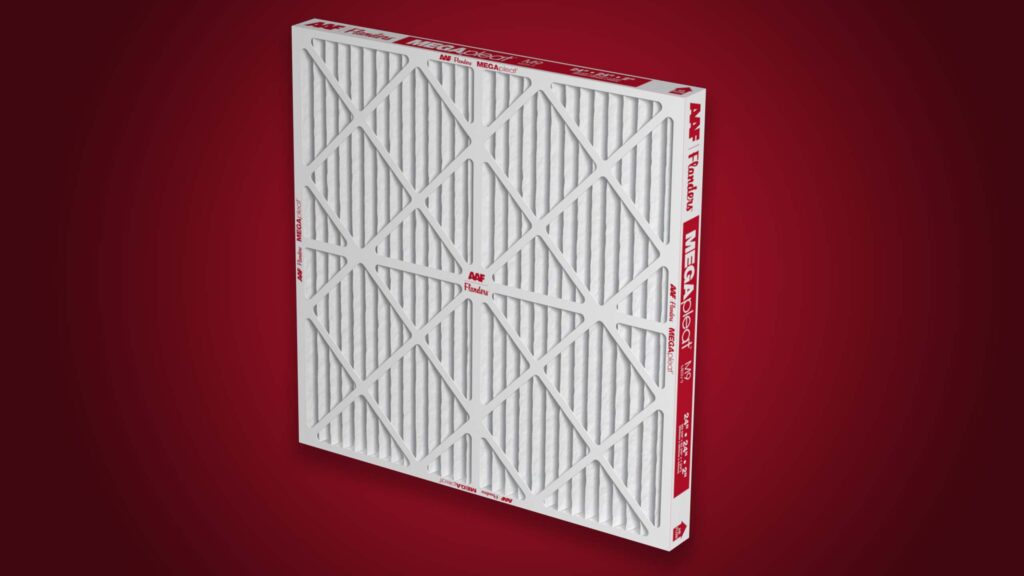
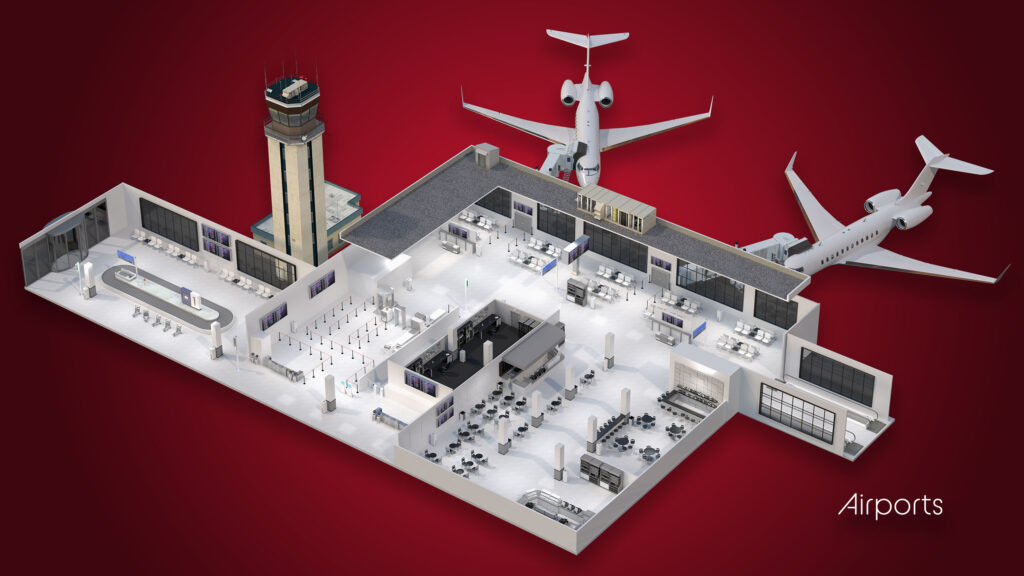
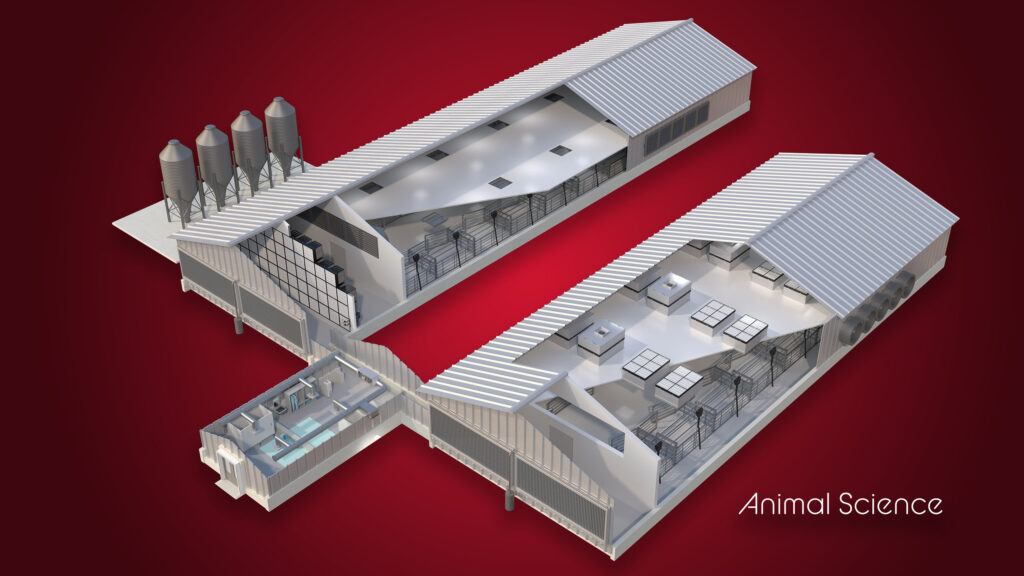
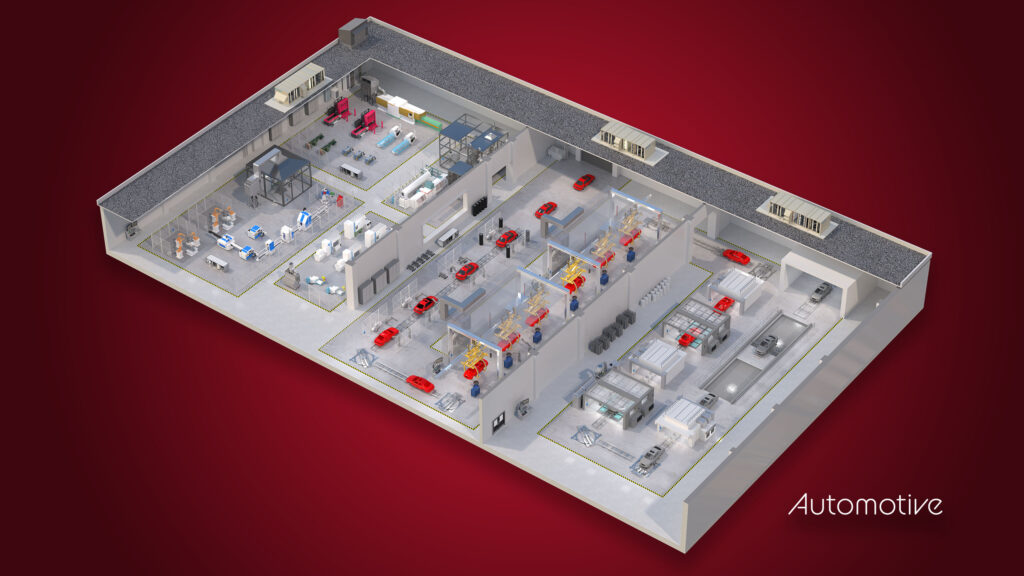
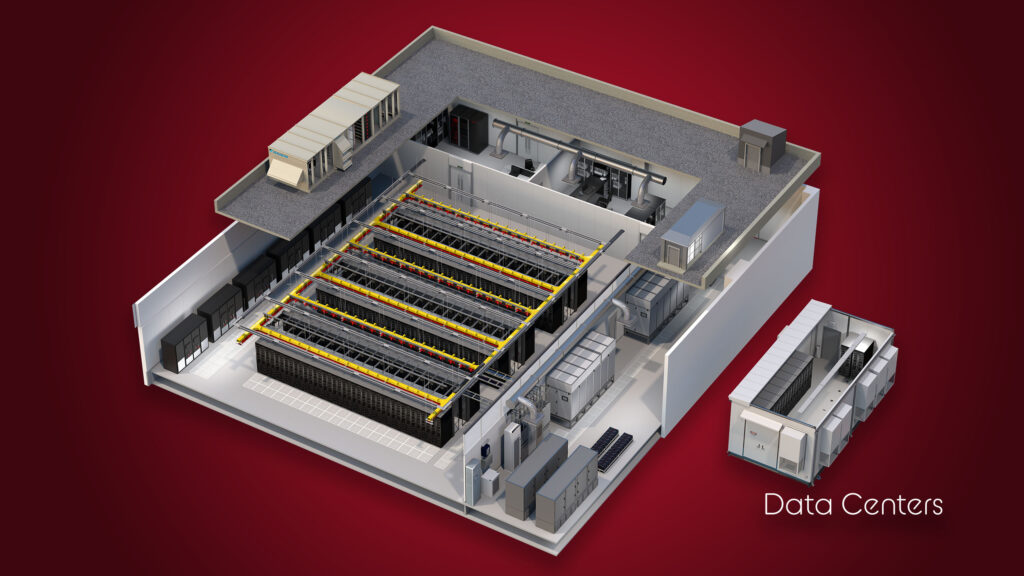
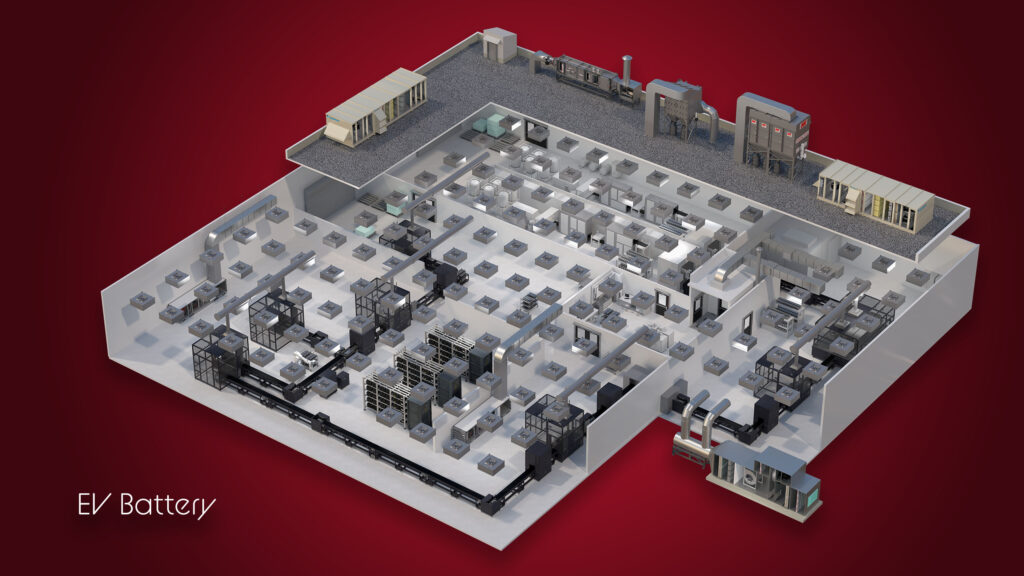
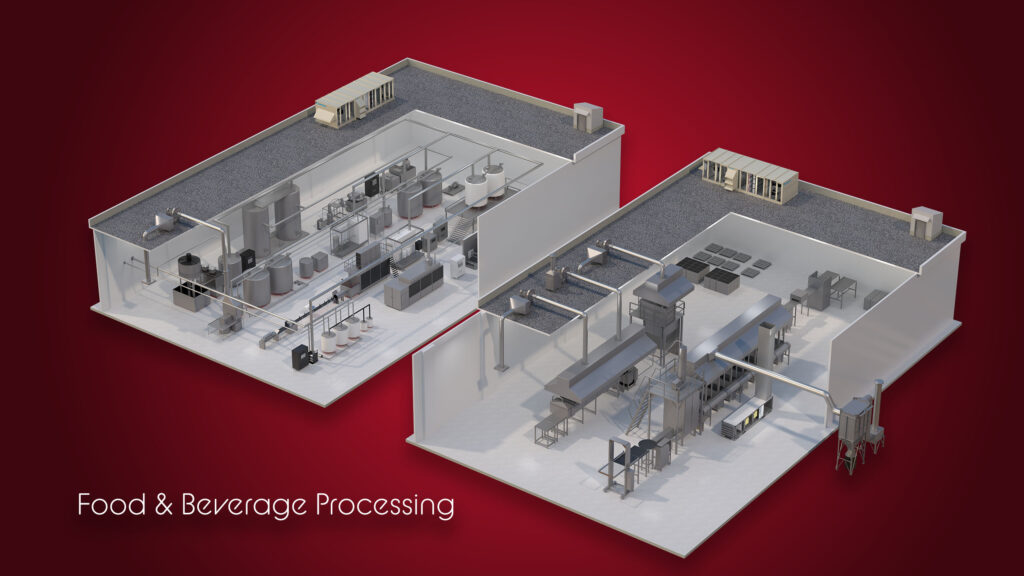
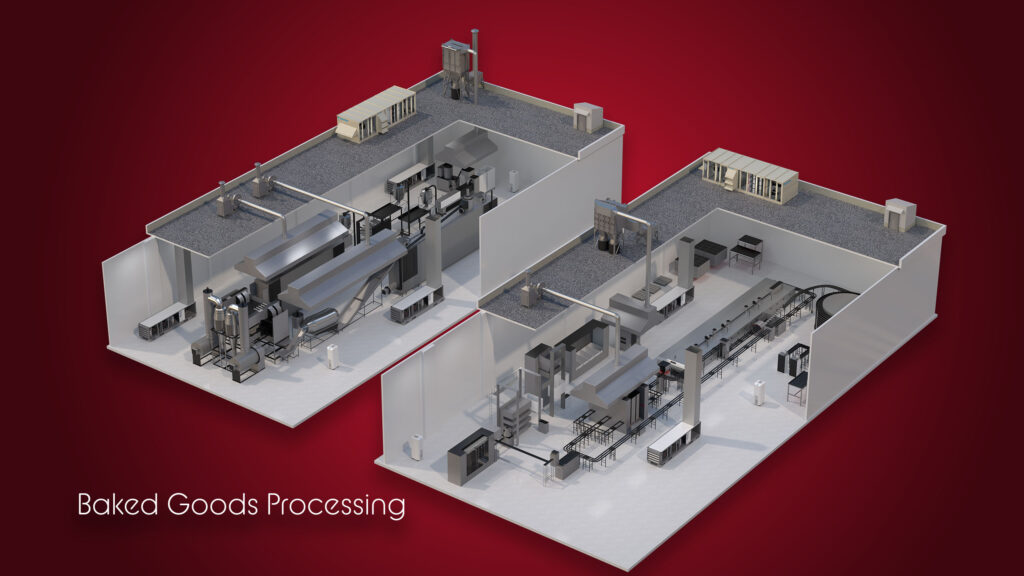
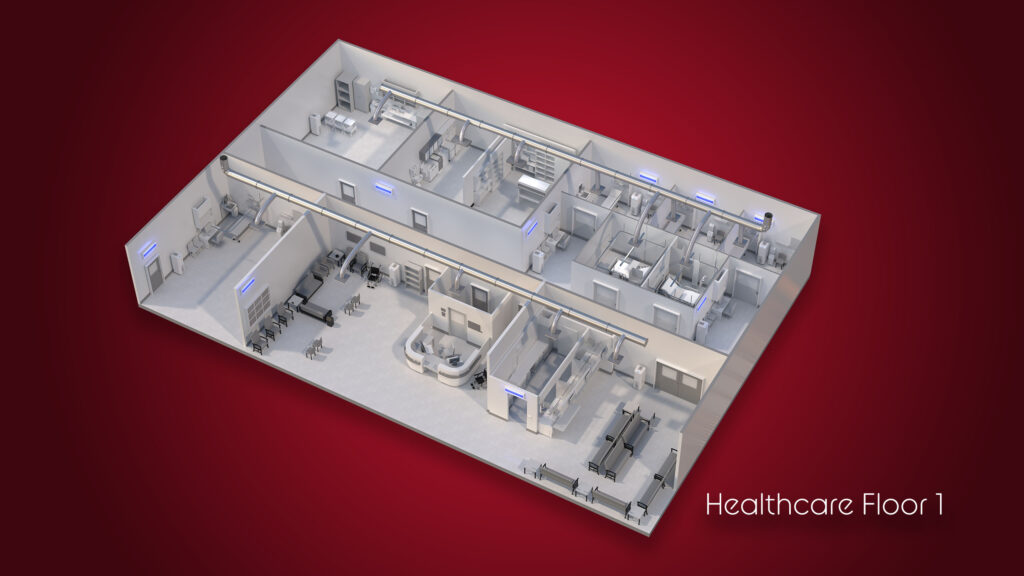
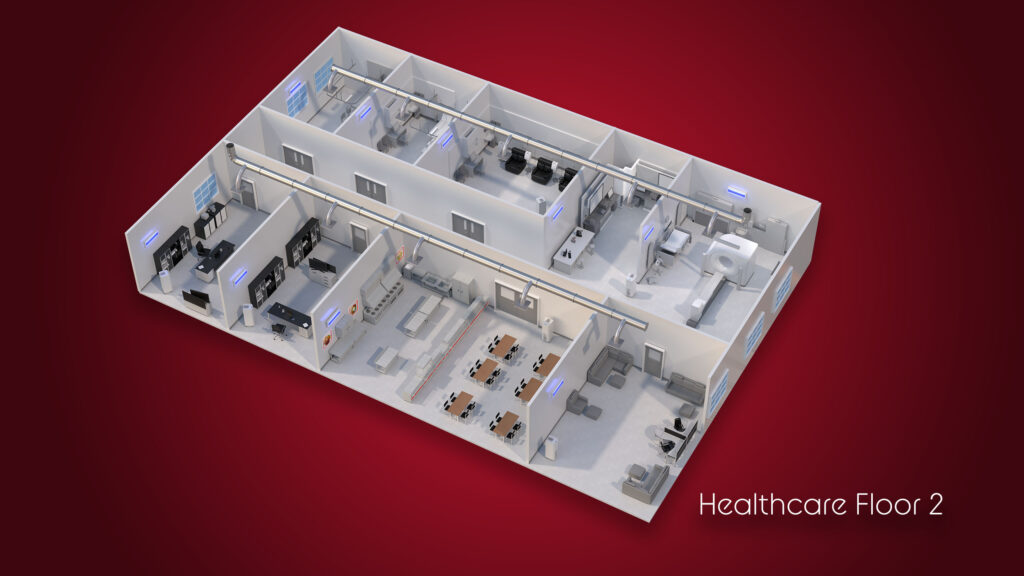
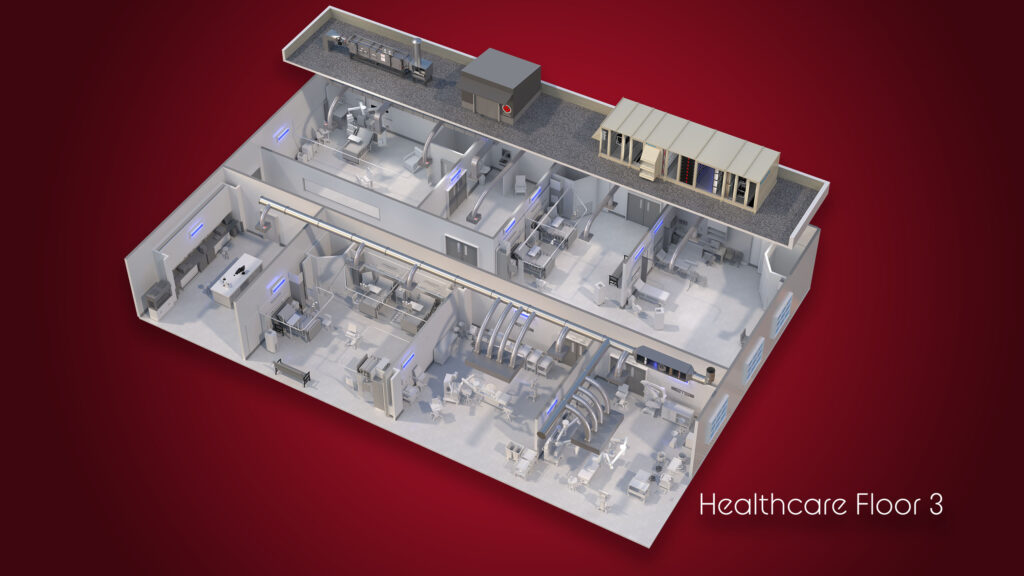
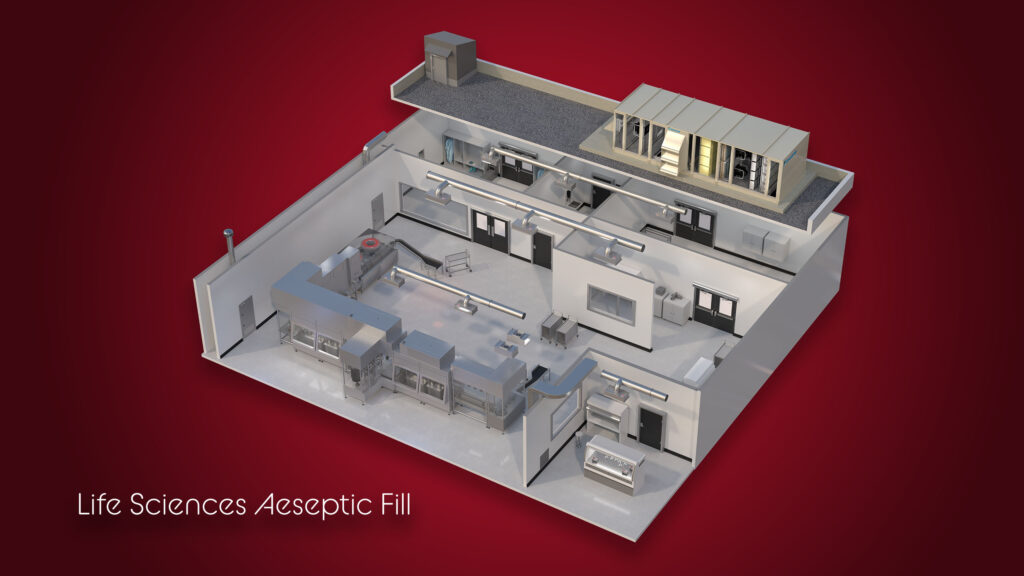
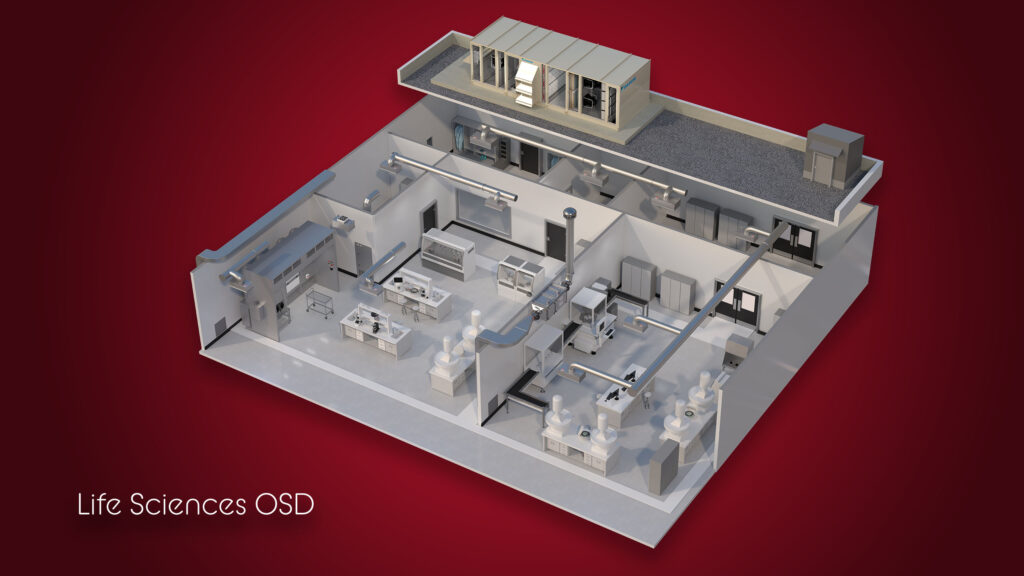
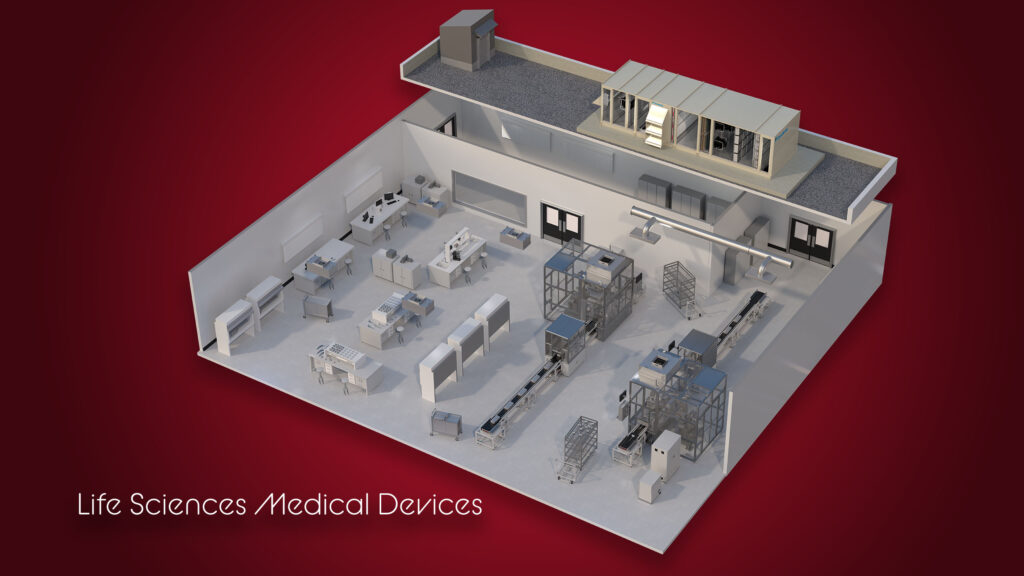
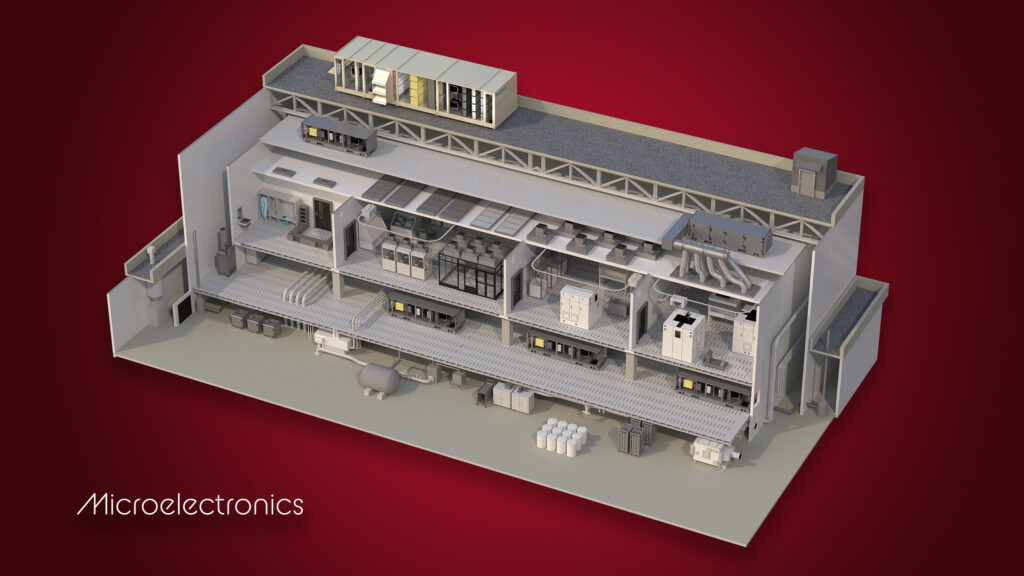
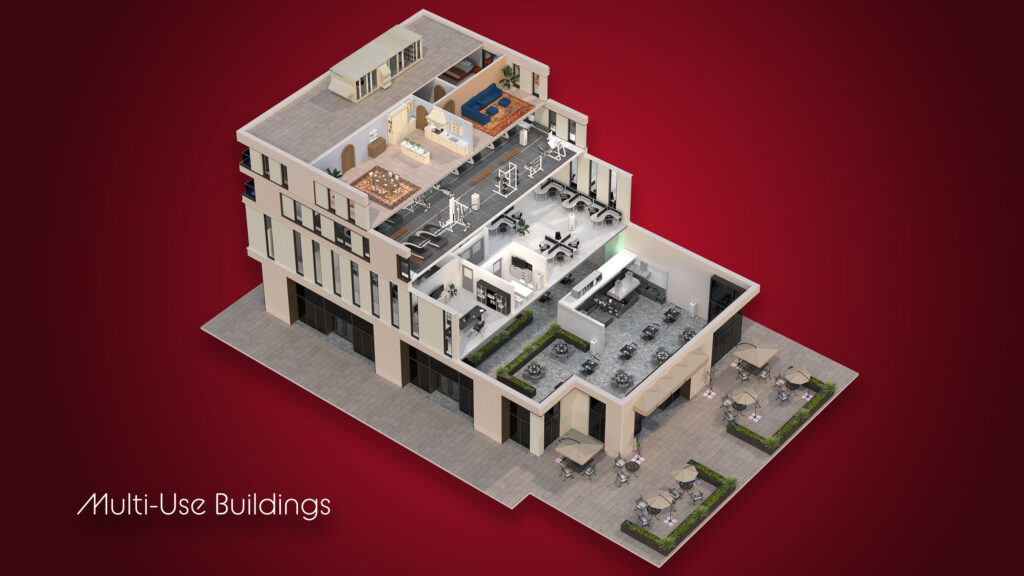
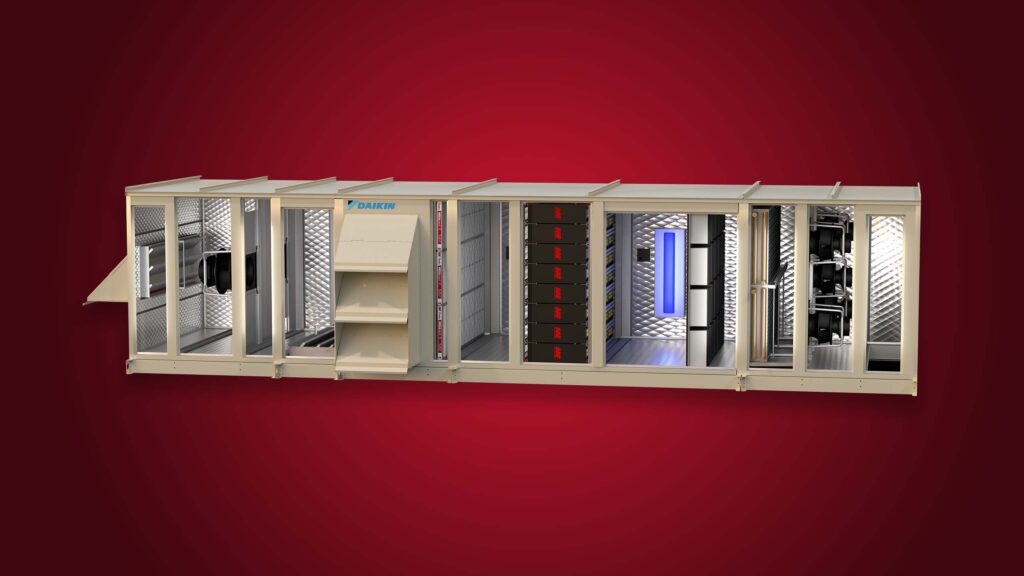
For several years, I worked with GDI Agency to create a large body of 3D visualization work for American Air Filter International — AAF — spanning nearly every major industry they serve.
The goal was to take AAF’s extensive product catalog and present it with consistency, clarity, and visual polish across web, catalog, sales, and presentation materials. The work included both isolated product hero imagery for individual AAF products and large contextual environments showing how those products function within real-world industries.
CAD conversion, 3D Production, Rendering, Compositing
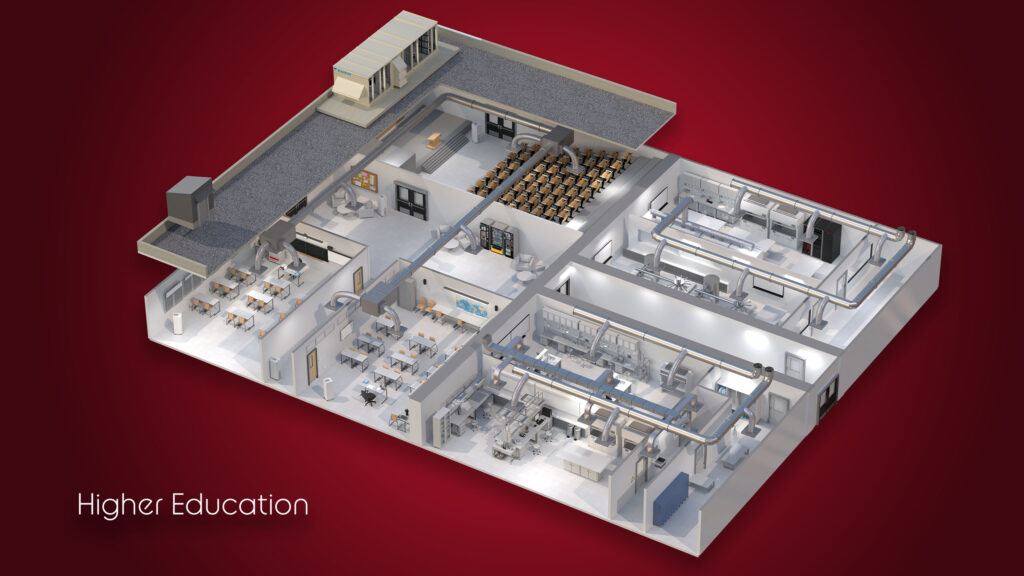
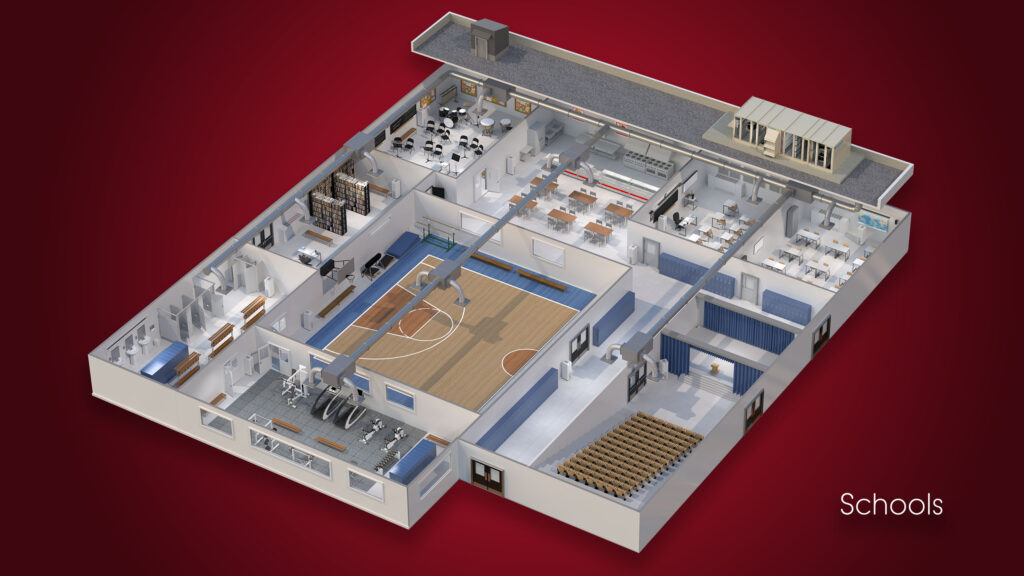
These projects included massive layered industry environments for airports, animal sciences, automotive, data centers, battery manufacturing, food and beverage, healthcare, life sciences, microelectronics, commercial buildings, and schools. Each environment was built with enough detail to function as a full-scale industry overview, while also supporting smaller regional vignettes focused on specific products, systems, or application areas.
Previous slide
Next slide
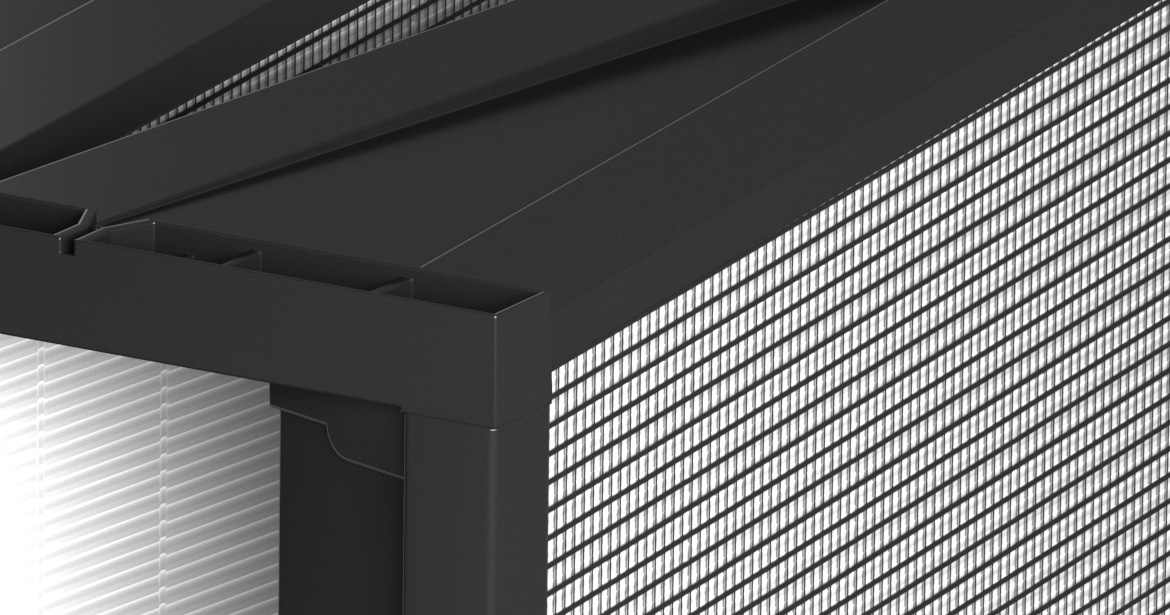
Built from highly detailed source assets, each image held up regardless of scale, from full industry overviews to close-up crops revealing air handling components, fasteners, and screw threading. Amazingly, even with dense scenes, the V-Ray pipeline kept production efficient.
As the work evolved during the COVID era, the majority of content I created shifted even more toward air purity, indoor air quality, and the urgent need to communicate filtration technology clearly.
Air handling units are much more diverse than I ever would have expected, especially for sensitive applications like operating rooms or hazardous material environments.
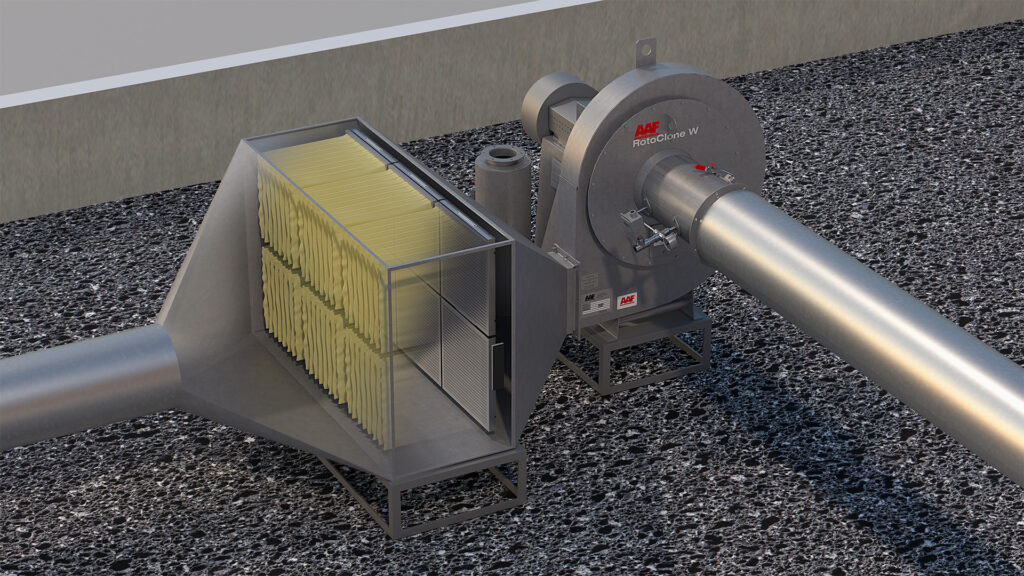
Here’s an example rooftop vignette of a RotoClone W pulling air into a bank of DriPak GX filters:
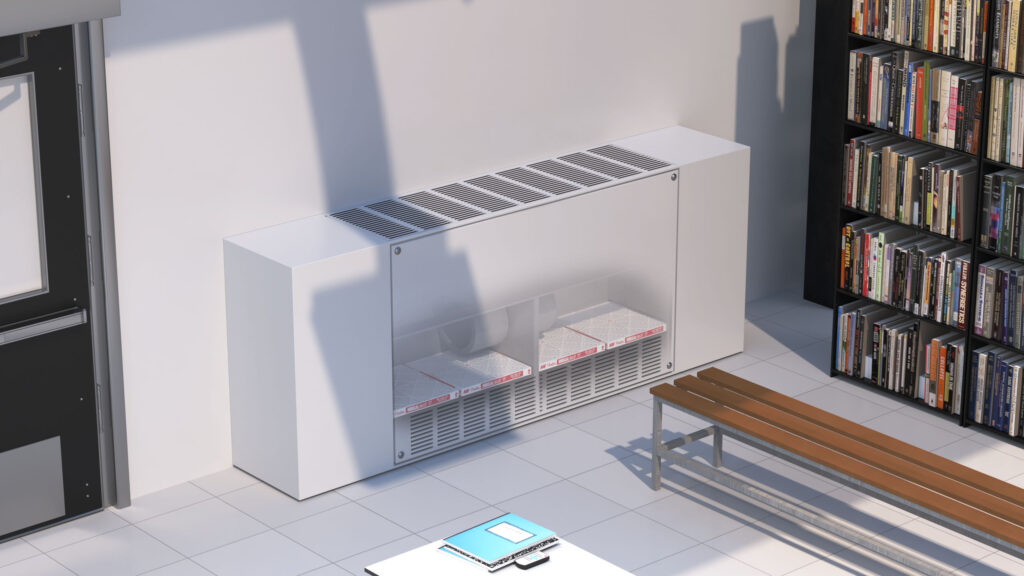
Interior vignette example from the school render, showing how the products fit naturally within the surrounding environment.
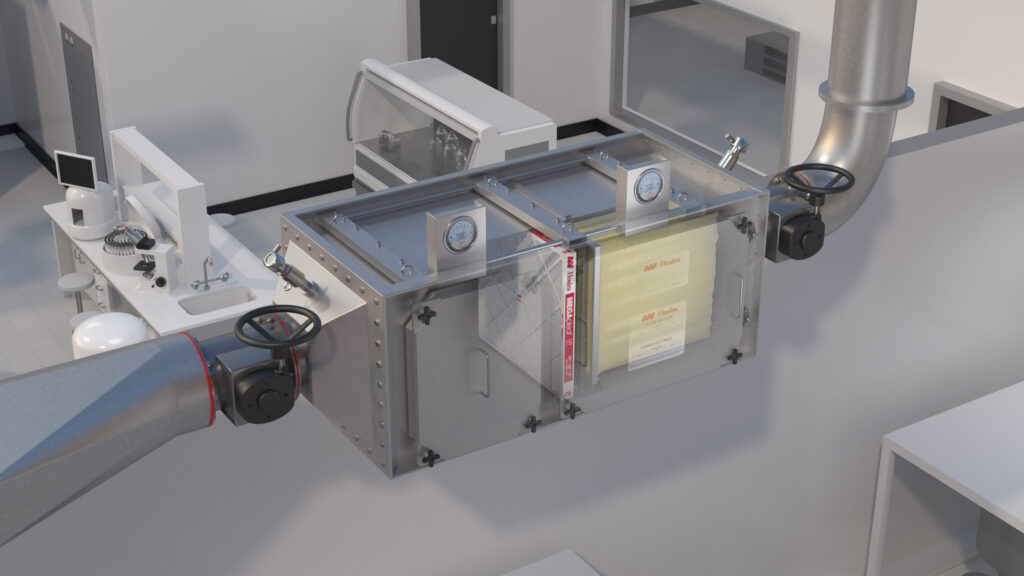
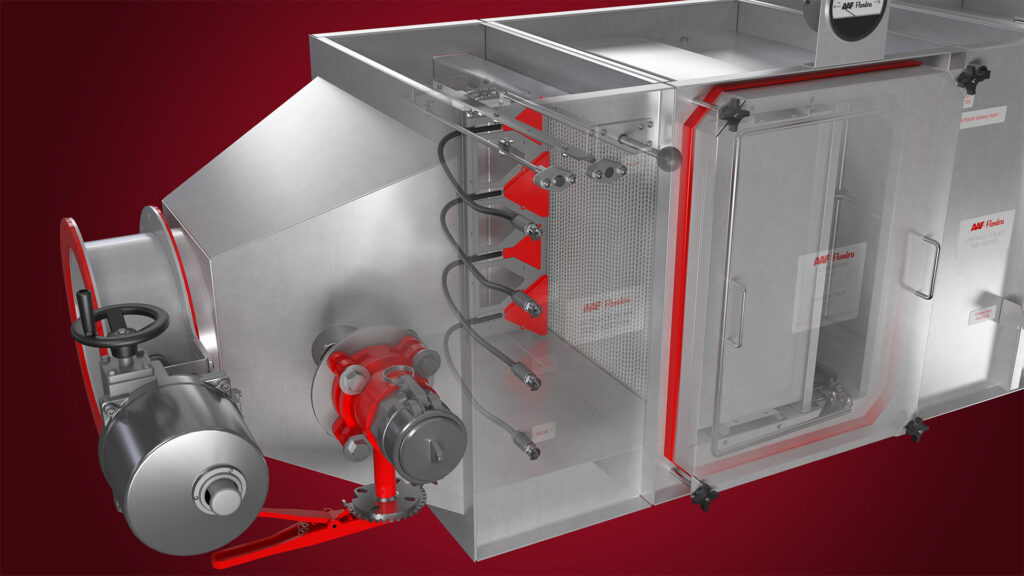
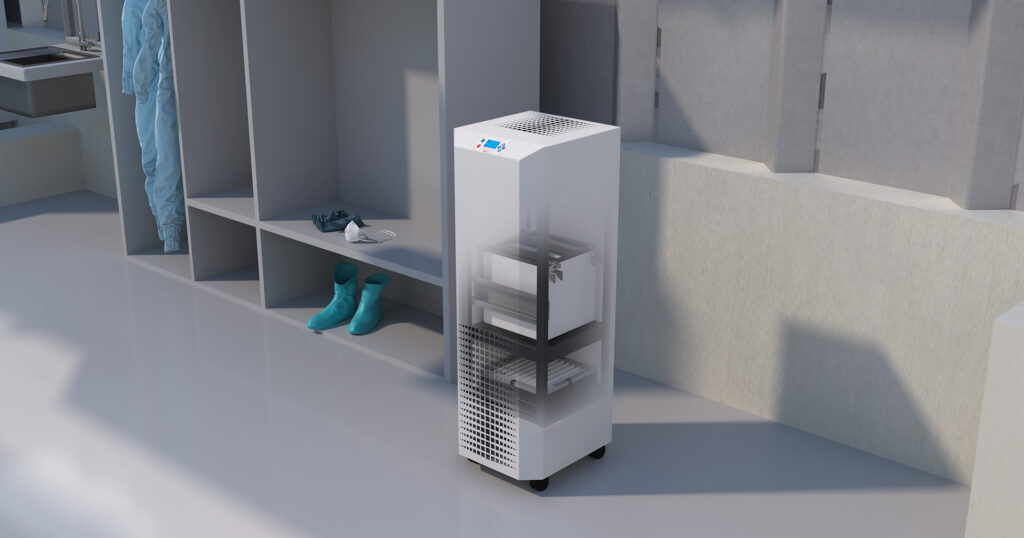
Product internals ghosting example using the AstroScan M.
Here’s a simple interior vignette from an animal science room, giving the product context without overcomplicating the visual.
Beyond still imagery, the same 3D assets were also leveraged for installation animations and product videos, helping explain features, processes, and system behavior in a way static imagery could not.
and one last simple visual example showing how their butterfly damper actuation works.
There’s a lot more where this came from — literally hundreds of GB of deliverables — but to spare everyone an endless scroll, I’ll keep it simple and stop here.