
These are the top 3 questions about AI I am constantly being asked as a “go-to tech-savvy” person for many. I believe people trust my opinion because they know that I like to remain neutral on many things because I firmly believe choosing a “side” blinds half of your sight… aka confirmation bias.
I’ve been both surprised and unsurprised by the visceral reaction and polarity the AI conversation has created. Opinions seem to be shaped largely by whatever information feed someone has subscribed to—and, perhaps more importantly, by how they actually use AI themselves.
“What’s Your Opinion of AI?”
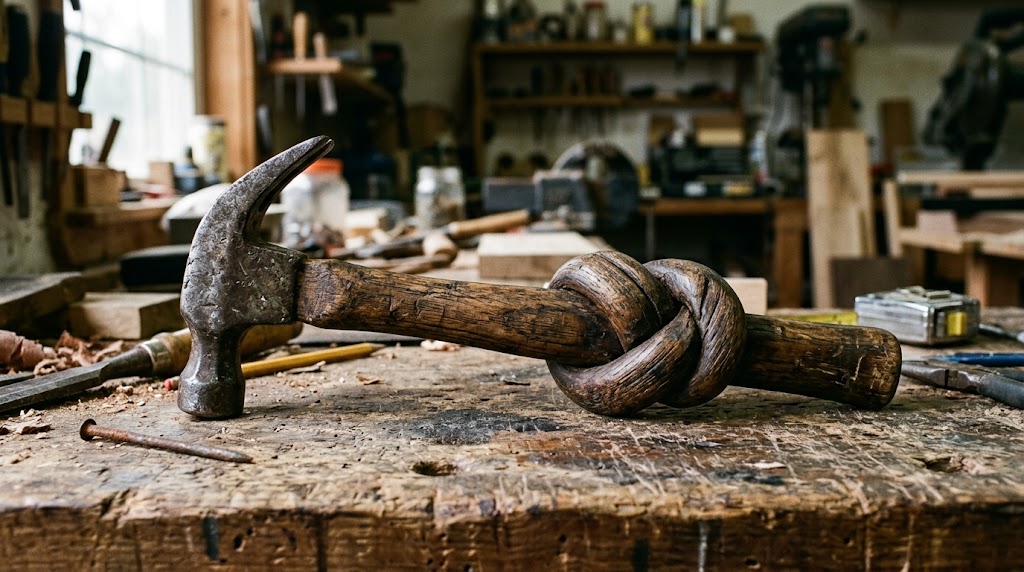
I don’t really have an opinion of AI. It’s a hammer. Sometimes you need a hammer, sometimes you don’t. What matters isn’t the tool; it’s what you’re trying to accomplish with it and how you choose to use it.
Do you have a strong opinion of a hammer? What about a nail gun? It’s just a fancier, faster, more powerful hammer—and I bet one scares you more than the other. The tool isn’t really the concern. The human using it is.
That’s why I do believe responsible AI requires oversight, transparency, and, in some cases, regulation—especially when AI is integrated into systems that affect large numbers of people, like phones, financial systems, healthcare, or other critical infrastructure.
So is the real question whether I like AI?
- Do I like AI? Yes. When people use it to improve something, save time on mundane tasks, or help solve genuinely difficult problems—like the riddles of cancer—I think it’s amazing. Not when it becomes AI for AI’s sake, with no real purpose or benefit. Then it’s just more junk nobody needs. And AI is especially annoying when people try to pass its output off as their own hard work. Using AI as a tool is one thing. Being deceptive about it is another.
- Do I use AI? Yes, every day, all the time. I work alone, and it often feels like I have a brilliant team that constantly helps me learn and improve. Comprehension, creating images, proofreading and improving my admittedly awful spelling and amateur copy, coding, debugging, 3D… it honestly helps me with almost every aspect of working for myself.
- Is the marketing and rhetoric around AI annoying and exhausting? Also yes. Enough already!
“Is AI going to take my job?”
Yes and no. I believe the correct answer is somewhere in the middle, like most things. If your job is heavily repetitive and digital, and the work can be simplified or automated, it may be at risk. However, if you learn to use AI to take control of those repetitive tasks, you may actually increase your value to the company.
I believe relationship-heavy work will remain particularly valuable as automation increases. The more we automate, the more valuable genuine human judgment, communication, trust and connection may become.
I gave a presentation for the Indiana Library Federation called “From Fear to Function.” It basically covered this territory. A year later, I refined it further and called it “Practical Use for Smarter Service.” The core ideas were simple:
- Don’t fear the technology.
- Understand it.
- Find practical uses for it.
- Use it to make your work easier.
- The more you understand something, the less threatened you tend to be by it… aka the Uncertainty Reduction Theory.
I find it interesting that some people who say they are strongly opposed to AI still use AI-powered search, email, social media, banking, video and other technologies every day. Sometimes what people object to isn’t AI itself, but what AI is doing. Opposing “AI” as an ideology doesn’t really make much sense to me.
But what about creative jobs?
This is where I think the conversation gets particularly interesting.
If you’re a writer, for example, even if AI could write in your own style, that doesn’t necessarily mean you should stop writing or use AI for that. Your ability to communicate, develop ideas and create something original is still yours. But if you want to publish a book, develop a business idea, or navigate something unfamiliar, why wouldn’t you use AI as a tool to help you work through it? An Anti-AI ideology is not beneficial here.
The same goes for designers.
I don’t necessarily need AI to make my designs for me. In fact, I’d argue that my own designs should retain the human characteristics that make them mine. But I can use AI to:
- Find inspiration and references.
- Turn a sketch into a vector in minutes instead of hours.
- Generate alternate angles or possibilities to explore.
- Iterate faster and try more ideas.
That’s not AI taking my job. That’s AI enabling me to do more.
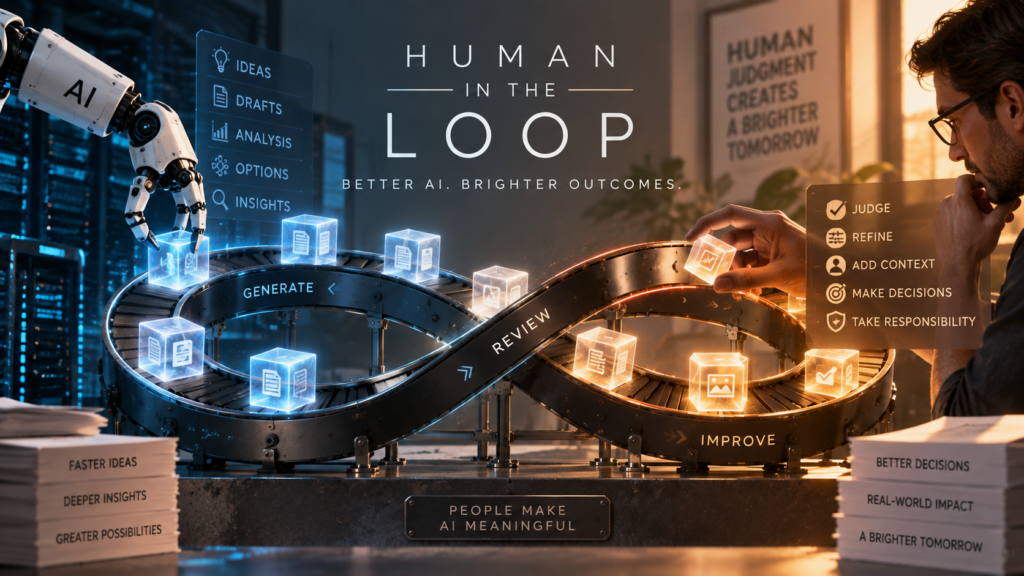
And this is where Human in the Loop becomes important. The goal isn’t to remove the human from the process. It’s to make the human more capable, especially with deadlines always looming.
How do I know if I can trust what AI tells me?
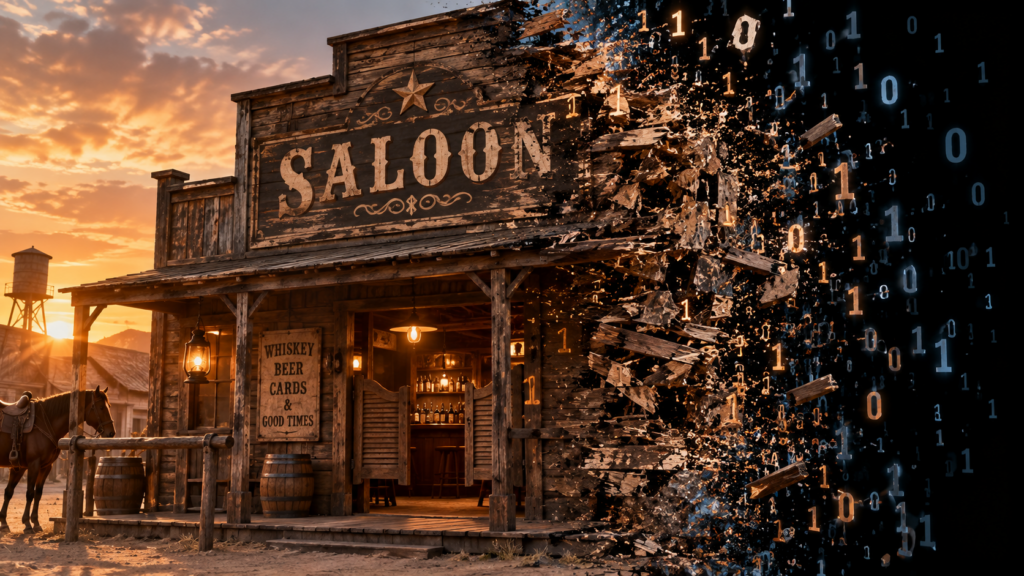
We are in the Wild West, and skepticism is a good thing. You must verify and use common sense with anything you find on the internet—AI or not. Human judgment is still essential. A few extra minutes of legwork to verify something is worth it when the information is important or accountability is on the line.
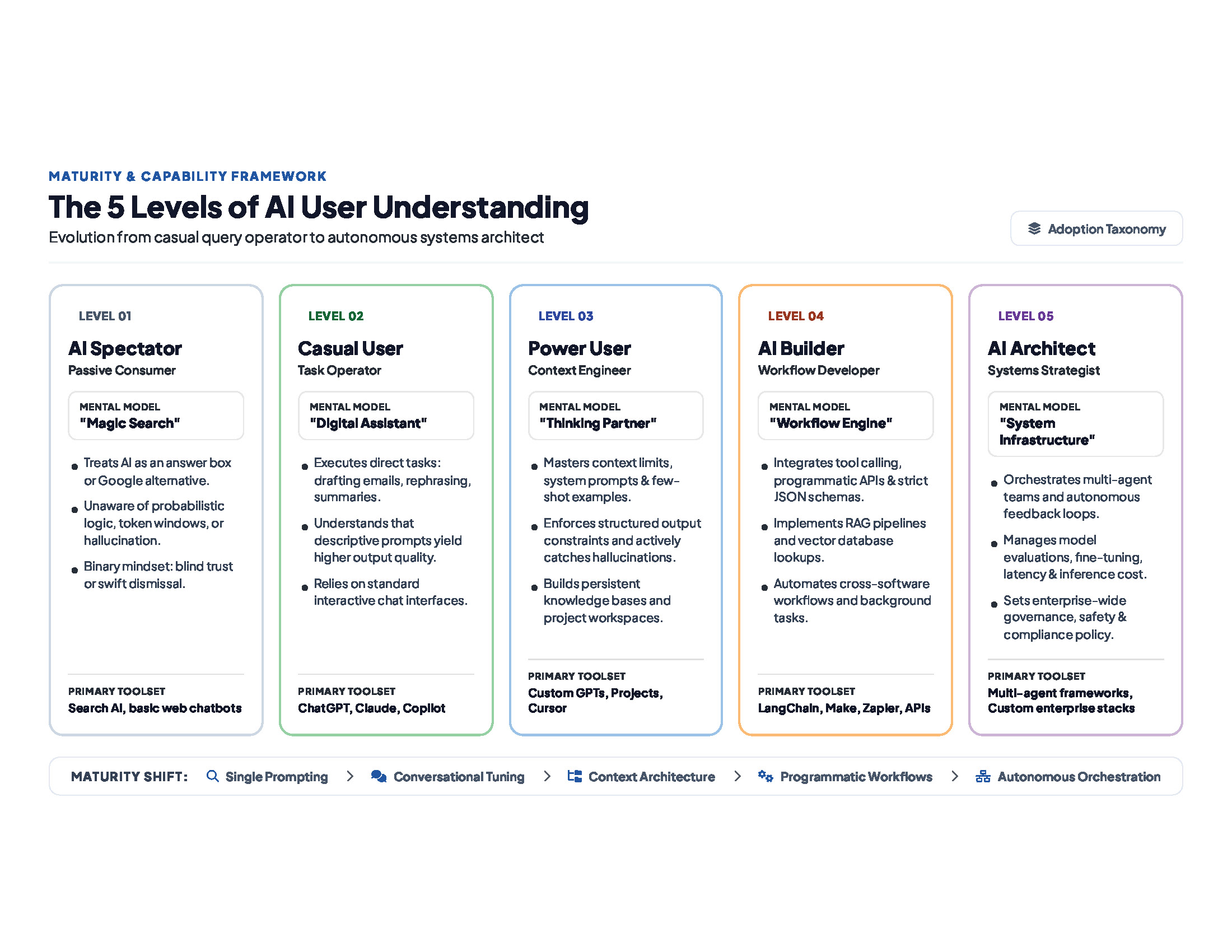
One last thing I’d like to leave you with as food for thought: most people barely scratch the surface of what AI can actually do. They use it as a chatbot or a digital assistant, but you can go much further. You can build AI around your own knowledge, instructions, files and workflows—making it far more specific and useful to you.
That’s when things start to get really interesting, and the limits of what’s possible begin to fall away.
Look, you made it to the end! Thanks for observing!